4030 Sawyer Ct.
Sarasota, FL 34233
(941) 321-8001
4030 Sawyer Ct.
Sarasota, FL 34233
(941) 321-8001
Sarasota Arborist Blog

Among the most pervasive and concerning unsolicited messages are those offering tree services. These texts are rarely a legitimate offer from a local, reputable company. More often, they are scams, aggressive lead-generation spam, or pitches from unlicensed and unqualified contractors. Understanding why these messages arrive, recognizing the danger they represent, and knowing how to protect yourself is crucial for any homeowner.
The first question many people ask is, "How did they get my number?" The answer lies in a shadowy digital ecosystem. Often, these texts do not originate from a tree care company at all. Instead, they come from third-party marketing or lead-generation agencies. These entities, sometimes based overseas, harvest phone numbers from public records, data brokers, or online forms you may have filled out. They then blast these numbers with generic messages, selling the resulting "leads" to local contractors desperate for work. You are not hearing from an arborist; you are hearing from a digital middleman.
Other texts are more malicious in their intent. Some scammers impersonate city workers, local arborists, or municipal agencies. Their message is designed to instill fear, claiming they have noticed a dangerous tree on your property that requires immediate attention. This fabricated urgency is a classic pressure tactic. Similarly, in the wake of severe weather, a wave of opportunistic "storm chasers" emerges. These fraudulent contractors flood affected neighborhoods with mass texts and door-to-door pitches, exploiting the genuine vulnerability and anxiety homeowners feel after a storm.
The short answer is: often, yes, or at the very least, it involves shady business practices. Several red flags are almost universally present in these unsolicited texts. The companies behind them typically provide vague or non-existent business names. They lack a verifiable physical address or valid state and local licensing. Some brazenly use fake credentials or directly impersonate municipal authorities to lend their scheme false legitimacy.
The risks extend far beyond mere

They ask because they care about it, about the shade it provides, the curb appeal it adds, and the comfort it brings to everyday life. At Sarasota Arborist, we understand that the decision can be emotional. Our job is to bring clarity to the situation with a careful, evidence-based approach, using the ISA Certified Arborist standard of care so you can make a confident decision based on risk and tree health, not pressure or guesswork.
Not every problem can be managed. During an on-site assessment, we look for conditions that are simply too advanced to safely correct. In those cases, removing the tree becomes the responsible choice for protecting people, property, and nearby trees.
Removal is often recommended when major portions of the trunk or key limbs are dead, or when important branch structures cannot remain sound. Hollowing and decay are also major concerns, especially when internal damage is widespread. A tree might still show an active canopy even when the wood inside is compromised, but when a significant portion of the trunk’s integrity is lost, the likelihood of failure increases quickly. Severe root damage can contribute to that same instability, and it may happen after construction activities, trenching, or changes in grade around the property.
Another situation we take seriously is progressive leaning. A tree that develops a noticeable lean over time, particularly when the soil appears disturbed or cracked on one side, often indicates shifting structural support. When we also see little or no improvement across seasons, it may point to deeper decline. Fungal fruiting bodies—such as conks or mushrooms—around the trunk or root flare are another common sign that internal decay may be active, even if the damage isn’t clearly visible from the outside.
It’s worth emphasizing that a tree can look “fine” and still pose a serious risk. Internal decay can hollow a trunk while the canopy remains mostly intact. That’s why a professional assessment matters. Depending on the situation, arborists

These invasive trees are among the most aggressive and environmentally destructive species in Florida.
At Sarasota Arborist, we specialize in the safe and effective removal of invasive Pepper Trees before they can spread out of control and do lasting damage to your property and the local ecosystem.
Why Are Pepper Trees a Problem?
Pepper trees pose a serious threat for several reasons:
Why You Should Act Now
Once established, Pepper Trees can be incredibly difficult and costly to remove. Early intervention is key. If you suspect you have one—or several—on your property, it's important to act before they multiply or damage surrounding landscapes.
At Sarasota Arborist, we use targeted removal techniques and follow best practices to ensure that Pepper Trees are completely eradicated and won’t return. Our team can also help you choose native or non-invasive alternatives to restore and enhance your landscape.
Don’t let invasive Pepper Trees take over your yard or natural areas. Contact Sarasota Arborist today for a professional assessment and removal plan that protects your property—and Florida’s native ecosystems—for years to come.

Have you wondered why some trees fared better than others during Hurricane Ian?
Thankfully, our area was spared some of the worst effects of Hurricane Ian, but there was still plenty of tree damage throughout Sarasota and its barrier islands. That said, most of the fallen trees were weaker species like Ficus Trees, Silk Oaks, Mangos, Avocados, Tabebuias, and Jacarandas.
In contrast, we only saw a few downed Live Oaks as we surveyed the damage across our service area. Live Oaks have an extremely stable root zone and they lose their leaves during high-wind events, thereby reducing wind drag. These properties make Live Oaks far less likely to fall over.
Weaker limbs and branches with decay came down during the storm, and weak joint connections, like the co-dominant tree shown in the accompanying video, were exposed by the hurricane winds, but the trees themselves were still standing after the storm. Co-dominant or bifurcated trees appear tightly joined but, in reality, they are only loosely held by their shared bark.
If you have trees or limbs that are leaning after the storm, call Sarasota Arborist at 941-321-8001 for a full evaluation.
Sarasota Arborist offers a full range of Professional Tree Services including Pruning & Trimming, Tree Removal, and Stump Grinding as well as Arboricultural Consulting Services for people seeking a tree removal permit, property developers, homeowners associations, and realtors.

Mangroves provide a habitat for thousands of vertebrate and invertebrate marine species and other wildlife, and they often bear the brunt of tropical storms and hurricanes. Although most mangroves grow out of the mud, they can also thrive in sand, peat, and coral rock, and they tolerate a level of salinity one hundred times greater than most other plants. In fact, mangroves are the only trees that can live in brackish water and they can withstand the daily ebb and flow of coastal tides that would drown most trees, even if the water itself were fresh. But these stately trees are by no means indestructible and, as such, they require expert care.
There are over half a million acres of mangroves in Florida and over 80% are under some form of government or private ownership or control and are expressly set aside for preservation or conservation purposes. This means that mangrove pruning, or removal must be conducted by a Professional Mangrove Trimmer (PMT) in compliance with the Mangrove Trimming and Preservation Act. Additionally, the City of Sarasota requires permits for the removal of any street tree, mangrove, or private tree on any property, and it is necessary to provide the building department with a Certified Arborist evaluation to obtain these permits.
Sarasota Arborist owner John Butts has been an ISA Certified Arborist since 2006, and he has completed all PMT qualifications. If you live in Sarasota or the surrounding communities of Siesta Key, Longboat Key and Lido Key and you have mangroves in or around your property, call Sarasota Arborist at 941-321-8001.
We offer specialized mangrove pruning services that cater to your needs. We can expertly trim your mangroves, in accordance with the Mangrove Trimming and Preservation Act, improving your view while maintaining the health of your mangroves and helping you avoid hefty fines
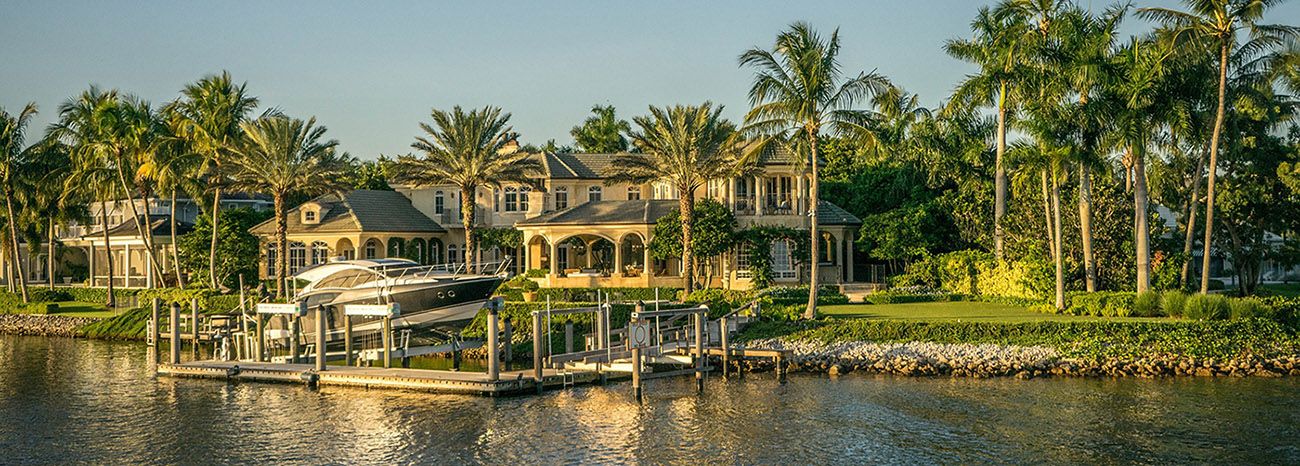
Hiring an arborist should be viewed as an investment which can yield a substantial return.
Trees can add great beauty and value to your property, but injury, disease, and safety concerns can quickly turn an asset into a liability - as well as an eyesore.
Pruning or removing trees, especially large or diseased trees, is dangerous work and it requires specialized training and equipment to minimize the impact to the rest of your landscape and reduce the potential for personal injury or property damage.
By definition, an arborist is an individual who is trained in the art and science of planting, caring for, and maintaining individual trees, but not all arborists are the same.
The International Society of Arboriculture (ISA) promotes the professional practice of arboriculture to foster a greater awareness of the benefits of trees. Achieving ISA Certification is a voluntary process that demonstrates that you have the knowledge and skills to properly care for trees, as well as a high level of dedication to your craft. ISA Credential holders understand the importance of continued education.
ISA credentials help consumers identify qualified, knowledgeable tree care professionals.
When hiring an arborist, ensuring that they are ISA Certified, insured, and with good references will almost guarantee a good outcome.
1. ISA Certification guarantees that the company has the knowledge required to perform tree care at the highest level and that they are trained in the necessary safety procedures.
2. Tree maintenance is dangerous work. If a company does not carry their own insurance, the homeowner is liable for any accidents. Ask for proof of insurance before hiring an arborist.
3. Ask for references from similar jobs in your area.

Many people believe that all the new growth on Areca palms should be trimmed away. Unfortunately, all these open cuts make Arecas an easy target for many palm diseases like the deadly Ganoderma butt rot pictured here.
Ganoderma is so contagious that it can easily be transferred to other palms through landscaping tools like pruning shears and, once a diseased palm is removed, you should wait at least 4 years before planting another palm in its place because the disease could be still present in the soil.
If you see the telltale conk of Ganoderma butt rot or you suspect that any of your palms have become infected with Ganoderma or any other disease, call Sarasota Arborist at 941-923-5051 before the problem spreads to healthy palms in your property.